
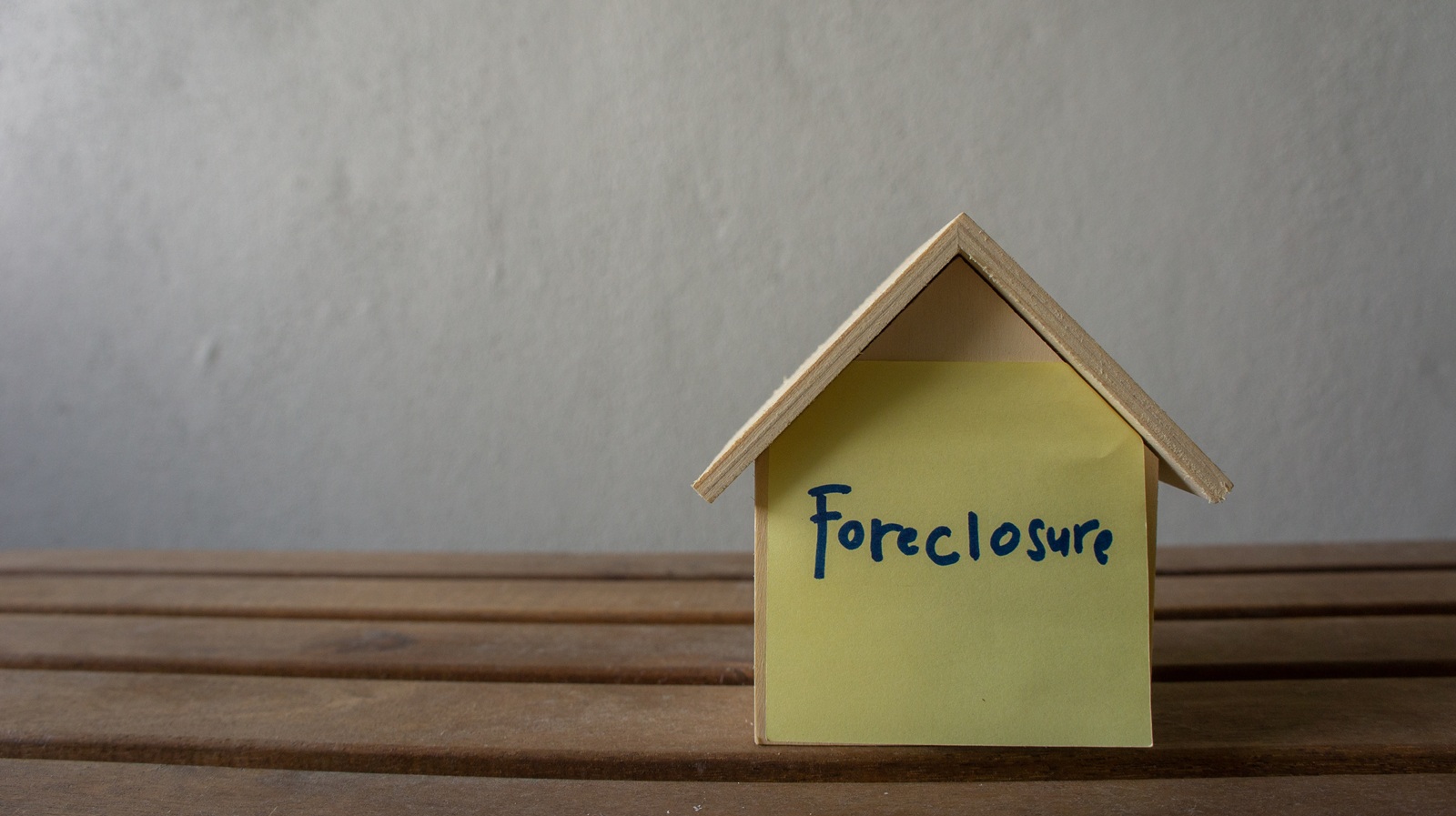
Selling Your House Before Foreclosure Is Filed: How to Get Out Ahead of It
The pre-foreclosure window is the most important period in a struggling homeowner’s decision timeline. This is the stage before a formal legal filing, before public records are created, and before the auction clock starts. It is also the stage most sellers lose by waiting too long. We Buy Houses Chattanooga is a local, family-owned home buying company with over a decade of purchasing homes throughout Hamilton County and the greater Chattanooga area, including hundreds of properties from homeowners navigating mortgage hardship. Our process closes in 7 to 14 days. See how our 4-step process works from first contact to closing so you know exactly what to expect before you call.
Pre-Foreclosure vs. Active Foreclosure: Why the Difference Is Everything
These two terms describe dramatically different situations for sellers, even though many homeowners use them interchangeably.
Pre-foreclosure begins the moment you miss your first mortgage payment and continues until the lender formally files the foreclosure notice. During this period, you remain the legal owner with full authority to sell, refinance, or negotiate with your lender. No public record of default exists. Your credit has not yet taken the hit that a completed foreclosure causes. And most importantly, all of your options are still available.
Active foreclosure begins when your lender files the formal notice and the legal timeline toward the auction date starts. In Tennessee, which uses a non-judicial foreclosure process, this timeline can move quickly. The Consumer Financial Protection Bureau notes that once the formal process begins, homeowners have significantly fewer options and less time than in the pre-filing stage. A voluntary sale can still stop the process, but the window is measured in weeks rather than months.
The Tennessee Foreclosure Timeline: Understanding Each Stage
Tennessee is a non-judicial foreclosure state, which means lenders can foreclose without going through court. Understanding each stage tells you exactly how much time you have.
Stage 1: Missed Payments (Days 1 through 90)
From your first missed payment, most lenders wait 90 to 120 days before beginning the formal process. During this period, contact from the lender is primarily by phone and mail. Your options are at their maximum. The Tennessee Housing Development Agency provides foreclosure prevention counseling resources for homeowners in this stage, including referrals to HUD-approved housing counselors who can advise on your specific loan situation.
Stage 2: Notice of Default
After the lender determines you cannot catch up, they typically send a formal notice of default, a written demand for payment that signals the lender is preparing to foreclose. Receiving this notice does not mean foreclosure is inevitable. It means the clock is running faster. Sellers who contact a cash buyer at this stage often have enough time to close a sale before the formal filing.
Stage 3: Foreclosure Filing and Publication
In Tennessee, lenders must publish the foreclosure notice in a local newspaper of general circulation three consecutive weeks before the scheduled auction. This notice becomes a public record. Your credit file will begin reflecting the default. The typical period from first publication to auction is 21 to 30 days, which is the minimum under Tennessee law, though many lenders allow more time.
Stage 4: Foreclosure Auction
The auction is the point of no return. Once the property is sold at auction, the previous owner’s right to sell voluntarily is extinguished. The auction sale goes to the highest bidder, with the lender typically setting a minimum bid equal to the outstanding debt. If the auction does not generate enough to cover the loan balance, the lender may pursue the former homeowner for a deficiency judgment for the remaining amount.
What You Preserve by Selling Before the Filing vs. What You Lose After
| Factor | Voluntary Sale Before Filing | Completed Foreclosure |
| Credit impact | Mortgage paid off, no foreclosure record | 100-150 point drop, 7-year history |
| Future mortgage eligibility | Standard waiting periods apply | Typically 3-7 year waiting period |
| Equity recovery | You receive any equity above obligations | You receive nothing from auction proceeds |
| Public record | No foreclosure notation on public record | Permanent public courthouse record |
| Deficiency judgment risk | Eliminated when mortgage is paid at closing | Possible if auction proceeds fall short |
| Move-out timeline | You choose the closing and move-out date | Forced out by the auction buyer |
How a Cash Sale Stops the Foreclosure Clock in Tennessee
A cash home sale stops the foreclosure process through a straightforward mechanism: the mortgage is paid off at closing from the sale proceeds, which satisfies the lender’s claim on the property. Once the lender receives the payoff, there is nothing left for the foreclosure to proceed against. The pending action is dismissed. The mortgage appears on your credit report as paid in full. You walk away from closing with whatever equity remains after all obligations are settled. See how our purchase process works from first contact to closing.
The speed of a cash sale is the critical advantage in foreclosure situations. We can close in 7 to 14 days after offer acceptance. For a seller with a notice of default in hand and a publication window beginning, this speed is the difference between a voluntary controlled exit and a forced auction sale.
Compare this with a traditional listing: 60 to 90 days to find and contract a buyer, followed by 30 to 45 days for the buyer’s financing to close. In an active foreclosure situation, the timeline to auction is often shorter than the minimum time required for a traditional sale to close. Learn how cash buyers help homeowners with time-sensitive moves.
What Happens to Your Existing Mortgage in a Pre-Foreclosure Sale
Your lender is paid directly from the sale proceeds at closing through the title company. The title company contacts your lender before closing to request a complete payoff quote that includes the outstanding principal, any arrears, accrued interest, late fees, and any other charges the lender is asserting. The title company pays the lender the exact payoff amount before disbursing the remaining proceeds to you.
You do not need to pay your lender separately or bring funds to closing to cover the mortgage. The sale proceeds cover everything if the sale price exceeds the total obligations. If the sale price is less than what you owe, the situation requires a short sale arrangement, which involves lender approval for less than the full payoff amount.
If Your Balance Exceeds Your Home’s Value: The Short Sale Path
When the outstanding mortgage balance is higher than the property’s current market value, a traditional sale does not fully satisfy the debt. The lender must agree to accept less than the full payoff, which is called a short sale. Short sales require lender approval and typically take 30 to 60 days for the bank to review and respond to a proposed sale package. For homeowners in this situation who are also facing foreclosure, the key is contacting a cash buyer who can provide a firm written offer that the lender can evaluate during the short sale approval process. The U.S. Department of Housing and Urban Development recommends that homeowners in this situation work with a HUD-approved housing counselor who can help navigate the communication with the lender.
The Chattanooga Pre-Foreclosure Reality: Act Before the Publication Window
In Hamilton County and throughout the greater Chattanooga area, the foreclosure publication requirement means a public notice appears in a local newspaper three times before the auction date. Once that first publication runs, the timeline to auction is typically 21 to 30 days minimum. A cash buyer who can close in 7 to 14 days can still complete a sale within that window, but contact must happen the moment you become aware of an upcoming publication. Read our complete guide on selling a house during an active foreclosure if your lender has already begun the formal process.
For sellers still in the pre-filing stage, the window is larger but not unlimited. Contact a cash buyer now, get a firm offer in hand, and understand your actual proceeds from a sale. That information changes the decision calculus considerably when compared to the abstract fear of an impending process. See why a cash offer gives sellers more advantages than most realize.
Why We Buy Houses Chattanooga Is the Right Partner for Pre-Foreclosure Sellers
| What We Offer | What It Means for You |
| Over 10 Years Buying Homes in Greater Chattanooga | Deep local market knowledge across Hamilton County, Bradley County, and the surrounding area |
| Local, Family-Owned Business | You work directly with the decision makers, not a call center or national franchise representative |
| Hundreds of Homes Purchased Throughout the Region | Proven experience handling every property type, condition level, and seller situation |
| No Repair Requirements, Ever | We buy in any condition so you never spend a dollar on pre-sale repairs, cleaning, or updates |
| Zero Fees, Zero Commissions | Every dollar of the agreed offer goes directly to you at closing with nothing deducted afterward |
| All Closing Costs Covered by Us | No surprise deductions at the closing table, your net equals the cash offer we quoted |
| Firm Cash Offers That Do Not Change | The price we quote after our walkthrough is the price you receive, we never renegotiate after you commit |
| You Choose the Closing Date | Close in 7 days or set any future date you need, the schedule is entirely yours |
| No-Obligation, Pressure-Free Offers | Review our offer with no time pressure and walk away at any point before signing a purchase contract |
Frequently Asked Questions About Selling Before Foreclosure Is Filed
What is the difference between pre-foreclosure and active foreclosure?
Pre-foreclosure is the period when you are behind on your mortgage payments but your lender has not yet filed the formal foreclosure notice. Active foreclosure begins when the lender files with the county and the legal clock starts on the auction timeline. In Tennessee, the difference matters significantly because pre-foreclosure sellers have the most options, the most time, and the ability to sell without a public foreclosure record affecting their credit or property history. Once the foreclosure is filed, the window for a clean voluntary sale narrows considerably.
How much time do I typically have in Tennessee before a lender files for foreclosure?
Tennessee lenders typically begin foreclosure proceedings after 90 to 120 days of missed payments, though this timeline varies by lender, loan type, and any forbearance arrangements in place. Once the foreclosure process begins in Tennessee, which is a non-judicial foreclosure state, lenders are required to publish the foreclosure notice three times in a local newspaper before the auction, adding several more weeks to the timeline. Most sellers who contact cash buyers immediately after realizing they cannot catch up on payments have 30 to 90 days before an auction date is set.
Can I stop a foreclosure by selling my house before the auction date?
Yes. A completed sale before the foreclosure auction date stops the foreclosure process entirely. The proceeds from the sale are used to pay off the outstanding mortgage balance, any fees, and any accrued arrears. Once the mortgage is paid at closing, the lender’s claim on the property is satisfied and the foreclosure proceedings are dismissed. The critical factor is timing. The sale must close before the auction date. This is why contacting a cash buyer as early as possible is important, since cash buyers can close in 7 to 14 days while a traditional listing averages 60 to 90 days.
How does a foreclosure affect my credit compared to selling before the filing?
A completed foreclosure typically causes a credit score drop of 100 to 150 points and remains on your credit report for seven years. It can affect your ability to qualify for future mortgage loans, rental housing, and certain employment opportunities. Selling before a foreclosure is filed avoids this record entirely. The mortgage payoff through a sale appears on your credit report as a satisfied loan rather than a default. Even selling during an active foreclosure after the filing but before the auction stops additional damage from the completed foreclosure notation.
What happens to any equity I have when I sell before foreclosure?
If your home sells for more than the outstanding mortgage balance, any remaining equity goes to you at closing after the mortgage, any arrears, fees, and closing costs are satisfied. Many homeowners who are behind on payments assume they have no equity, but if the property has appreciated in value since purchase or the mortgage balance is moderate relative to the home’s current value, there may be meaningful equity remaining. Selling before foreclosure preserves your ability to receive that equity rather than losing it to the foreclosure process.
Can I sell my house for cash if my lender has already sent a notice of default?
Yes. A notice of default is not a foreclosure filing. It is a formal written notice from your lender that you are in default, which is a required step before the actual foreclosure process can begin in Tennessee. After receiving a notice of default, you typically still have 30 to 60 days or more before the formal foreclosure is filed and published, depending on your lender’s process. Contact a cash buyer immediately when you receive a notice of default, since the timeline becomes more compressed from that point forward.
What is a foreclosure auction and how is it different from a cash sale?
A foreclosure auction is a public sale conducted by the lender or a trustee after the legal foreclosure process is complete. In Tennessee, these are typically held at the county courthouse. The lender sells the property to the highest bidder to recover the outstanding mortgage balance. If the auction does not generate enough to cover the debt, the lender may pursue a deficiency judgment against the homeowner for the remaining amount. A cash sale is a voluntary transaction where you choose the buyer, negotiate the terms, and receive any equity above the mortgage balance. The auction offers no choice of buyer, no negotiation, and no equity recovery.
Will my lender pause the foreclosure process if I tell them I am trying to sell?
Communicating with your lender that you are actively trying to sell and have a buyer is always worth doing. Many lenders have loss mitigation departments that can grant short-term postponements of foreclosure proceedings when a seller has a legitimate pending sale. However, verbal communication is not a guarantee. A lender’s agreement to pause proceedings should be in writing. The most reliable way to stop a foreclosure is to close the sale before the auction date, which is why a cash buyer’s 7-to-14-day closing timeline is so valuable in these situations.
What if I owe more than my home is worth and still want to avoid foreclosure?
If your outstanding mortgage balance exceeds your home’s current market value, a short sale is typically the relevant option. A short sale occurs when the lender agrees to accept less than the full payoff amount to allow the property to sell and avoid the expense of a full foreclosure. Short sales require lender approval and can take 30 to 60 days or more to get authorized. In some cases, a cash buyer can assist by providing a concrete offer that the lender can evaluate during the short sale approval process. Contact us to discuss what options exist based on your property’s current value and outstanding balance.
What happens to any money left over after paying the mortgage in a pre-foreclosure sale?
Any sale proceeds remaining after the mortgage payoff, arrears, fees, and closing costs are distributed to you at closing through the title company. If you sell for $250,000 and owe $180,000 including all fees, you receive approximately $70,000 at closing. The title company calculates every obligation and distributes funds accordingly. The closing statement provided before closing shows you exactly what you will receive, so there are no surprises on closing day.
Should I notify my lender that I am planning to sell before they file for foreclosure?
Notifying your lender that you are actively selling and working toward a closing date can open options including temporary payment forbearance or a formal agreement to delay the foreclosure filing. You are not legally required to notify your lender before selling, and the sale can proceed without their involvement as long as the mortgage is paid at closing. If you are working with a HUD-approved housing counselor, they can help navigate lender communication and ensure you do not accidentally waive any rights in the process.
How fast does a cash sale need to close to stop a foreclosure in Tennessee?
The sale must be completely closed and funded before the foreclosure auction date. In Tennessee, once a foreclosure is published, the auction can proceed relatively quickly because Tennessee uses a non-judicial process. For sellers who have received a formal foreclosure notice, a cash buyer who can close in 7 to 14 days is typically the only option that can realistically complete the sale in time. Traditional listings averaging 60 to 90 days cannot reliably close before an auction date that may be only weeks away.
Are there any fees or prepayment penalties for selling before a foreclosure?
Most conventional mortgages originated after 2014 do not include prepayment penalties, following changes to federal lending regulations. However, some older mortgages and certain specialty loan products may include early payoff fees. Review your original loan documents or contact your lender’s payoff department to confirm whether a prepayment penalty applies. The title company will request a full payoff quote from your lender that includes any applicable fees so you know the exact amount before closing.
Can I still sell my house if the foreclosure has already been filed?
Yes, but the timeline is more compressed. Once the formal foreclosure is filed in Tennessee and the publication process begins, you typically have a matter of weeks before the auction date. A cash buyer who can close in 7 to 14 days may still have time to close before the auction, but contact must happen immediately. Communicate with your lender’s loss mitigation department that a sale is in progress to request a postponement of the auction date while the sale closes. There is no guarantee the lender will postpone, but many will if they see a legitimate pending sale.
What should I do first if I am behind on mortgage payments and want to avoid foreclosure?
Contact a cash buyer immediately to understand your options based on the property’s current value and your outstanding mortgage balance. Simultaneously, contact a HUD-approved housing counselor through the U.S. Department of Housing and Urban Development, which provides free guidance on your rights and options. The most important thing to avoid is inaction. Each month of delay reduces the number of options available to you and the amount of time available to close a voluntary sale before a foreclosure auction date is set.
Behind on Payments? Call Us Before the Filing Happens
Time is the asset pre-foreclosure sellers have that active foreclosure sellers do not. If you are behind on your mortgage, contact We Buy Houses Chattanooga today and we will tell you within 24 hours what your home is worth in a cash sale. We close in 7 to 14 days. We cover all closing costs. We charge no commissions. If the sale proceeds cover your mortgage balance, the foreclosure process stops the moment we fund at closing and you walk away with whatever equity remains. Do not wait for a publication notice or an auction date to be set. Reach out now at 423-205-1009 or through our contact us.